Iron (Fe), atomic number 26, is a magnetic transition metal central to steel, industry and biology. Learn its properties, compounds, uses, isotopes and safety....
Manganese (Mn), atomic number 25, is a hard transition metal essential in steelmaking and biology. Learn its properties, compounds, uses, isotopes and safety....
Chromium (Cr), atomic number 24, is a hard transition metal used in stainless steel and plating. Learn its properties, oxidation states, compounds, uses and safety....
Vanadium (V), atomic number 23, is a transition metal used mainly to strengthen steel. Learn its properties, compounds, oxidation states, uses, isotopes and safety....
Titanium (Ti), atomic number 22, is a strong, light and corrosion-resistant transition metal. Learn its properties, alloys, compounds, uses, isotopes and safety....
Scandium (Sc), atomic number 21, is a light transition metal used in aluminium alloys and special lamps. Learn its properties, compounds, uses and isotopes....
Argon (Ar), atomic number 18, is an inert noble gas used in welding, lighting and controlled atmospheres. Learn its properties, uses, isotopes and history....
Chlorine (Cl), atomic number 17, is a reactive halogen gas. Learn its properties, compounds, water-disinfection uses, isotopes, biological role and safety....
Sulfur (S), atomic number 16, is a yellow group 16 nonmetal essential to life and industry. Learn its properties, compounds, uses, isotopes and safety....
Phosphorus (P), atomic number 15, is a reactive group 15 nonmetal essential to DNA, ATP and bones. Learn its allotropes, properties, compounds, uses and isotopes....
Aluminium (Al), atomic number 13, is a lightweight group 13 metal. Learn its properties, electron configuration, compounds, uses, isotopes and history....
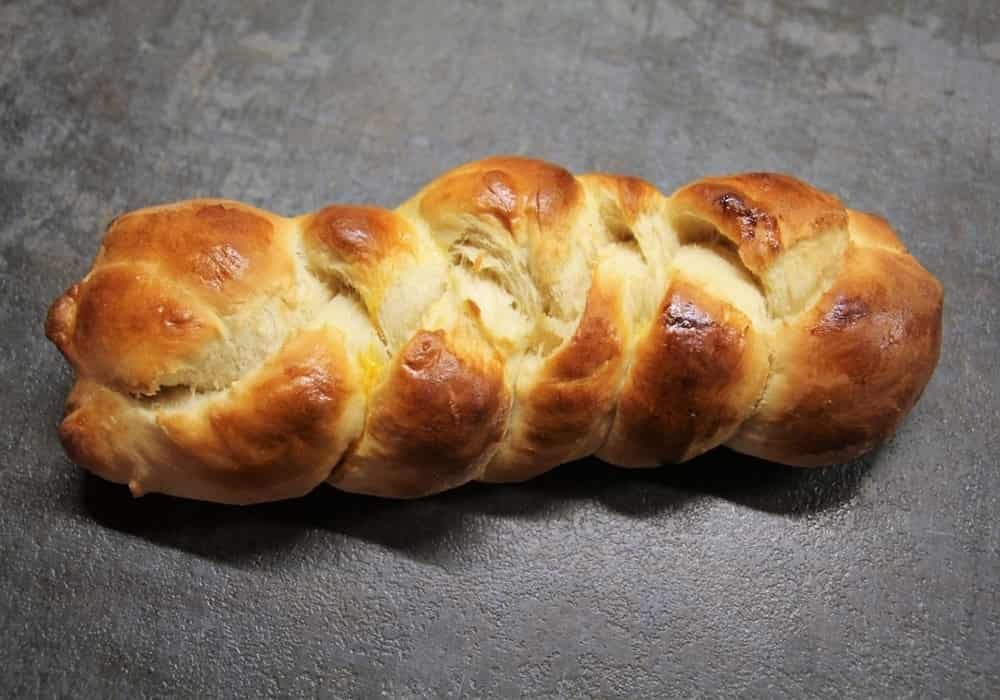
Maillard Reaction In an ultra-simplified way, the Maillard reaction is a series of chemical reactions which lead to a browning of the material and of the aromas which we call “cooking”. Why do foods...
Chemistry Branches Chemistry, the study of the fundamental units of matter, is subdivided into branches which deal with specialized spheres of the subject. What are the different chemistry branches? Read on to find out....
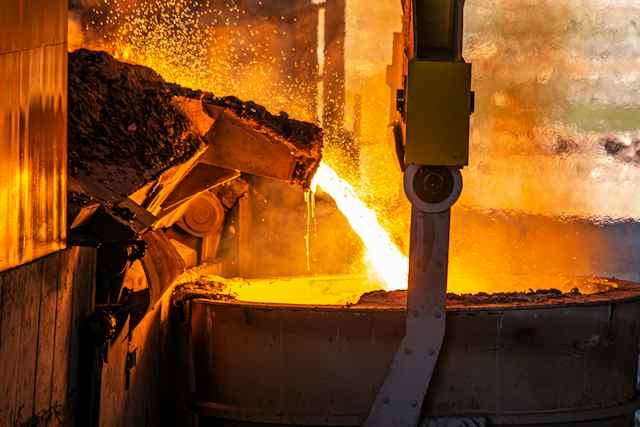
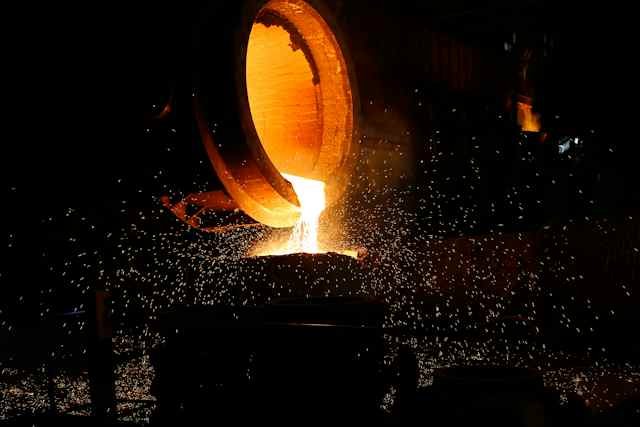
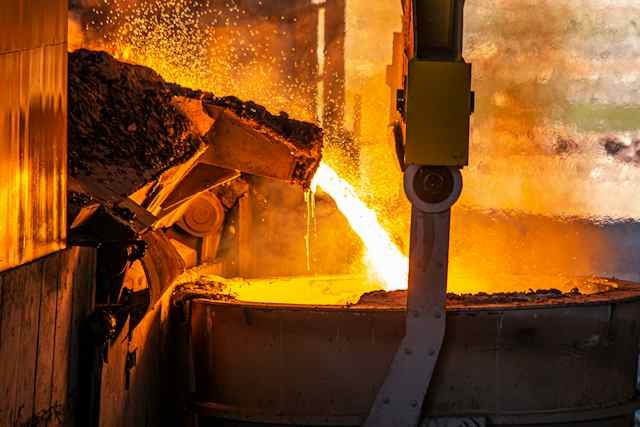
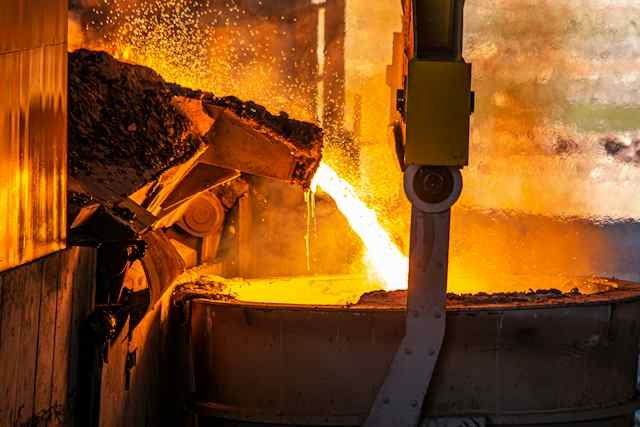
A smelter is a smelting machine for removing metal from rock by heating it to very high temperatures. This form of extractive metallurgy is suitable for extracting metals such as tin, lead, copper, iron,...
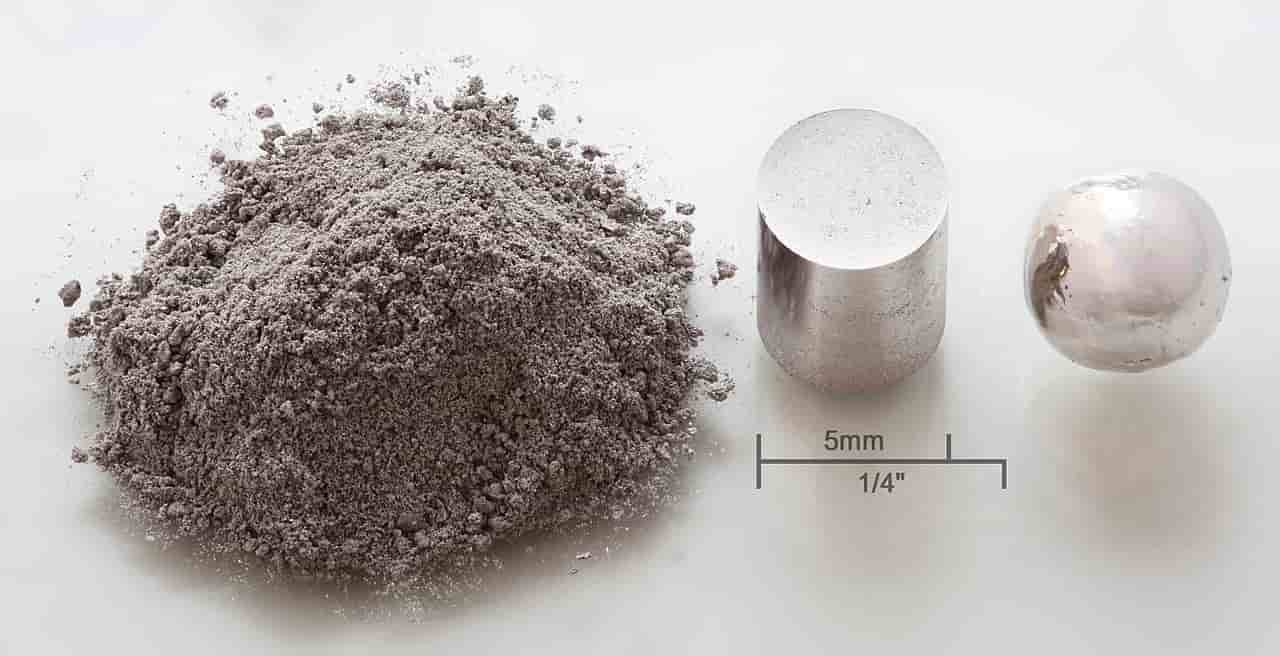
What is rhodium, this metal which is worth seven times more than gold? A silvery-white metal from the platinum family, with an appearance close to silver, very hard and very resistant to corrosion. There...
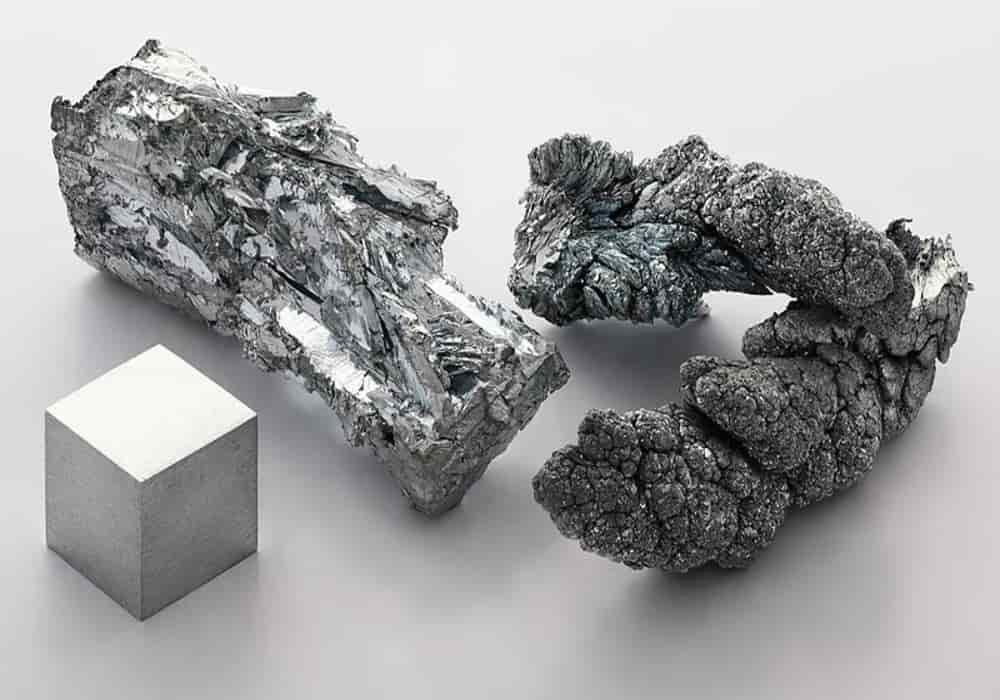
When taken with certain antioxidants, zinc may delay the development of age-related macular degeneration (a small, round area located at the back of the retina)....