Nickel (Ni), atomic number 28, is a corrosion-resistant magnetic transition metal used in stainless steel, alloys and batteries. Learn its properties and uses....
Cobalt (Co), atomic number 27, is a magnetic transition metal used in superalloys, batteries and pigments. Learn its properties, compounds, uses and isotopes....
Iron (Fe), atomic number 26, is a magnetic transition metal central to steel, industry and biology. Learn its properties, compounds, uses, isotopes and safety....
Manganese (Mn), atomic number 25, is a hard transition metal essential in steelmaking and biology. Learn its properties, compounds, uses, isotopes and safety....
Chromium (Cr), atomic number 24, is a hard transition metal used in stainless steel and plating. Learn its properties, oxidation states, compounds, uses and safety....
Vanadium (V), atomic number 23, is a transition metal used mainly to strengthen steel. Learn its properties, compounds, oxidation states, uses, isotopes and safety....
Titanium (Ti), atomic number 22, is a strong, light and corrosion-resistant transition metal. Learn its properties, alloys, compounds, uses, isotopes and safety....
Scandium (Sc), atomic number 21, is a light transition metal used in aluminium alloys and special lamps. Learn its properties, compounds, uses and isotopes....
Argon (Ar), atomic number 18, is an inert noble gas used in welding, lighting and controlled atmospheres. Learn its properties, uses, isotopes and history....
Chlorine (Cl), atomic number 17, is a reactive halogen gas. Learn its properties, compounds, water-disinfection uses, isotopes, biological role and safety....
Sulfur (S), atomic number 16, is a yellow group 16 nonmetal essential to life and industry. Learn its properties, compounds, uses, isotopes and safety....
Phosphorus (P), atomic number 15, is a reactive group 15 nonmetal essential to DNA, ATP and bones. Learn its allotropes, properties, compounds, uses and isotopes....
Aluminium (Al), atomic number 13, is a lightweight group 13 metal. Learn its properties, electron configuration, compounds, uses, isotopes and history....
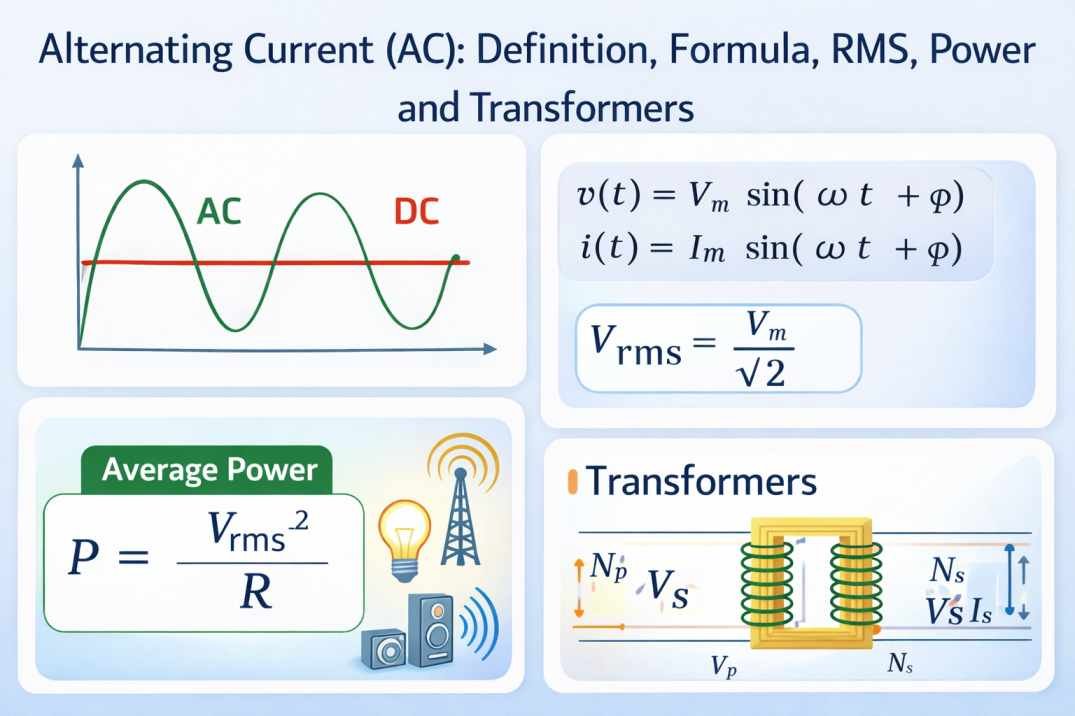
Alternating Current (AC): Definition, Formula, RMS, Power, Phasors, and Transformers Alternating current (AC) is an electric current in which both the magnitude and direction change periodically over time. This is fundamentally different from direct...
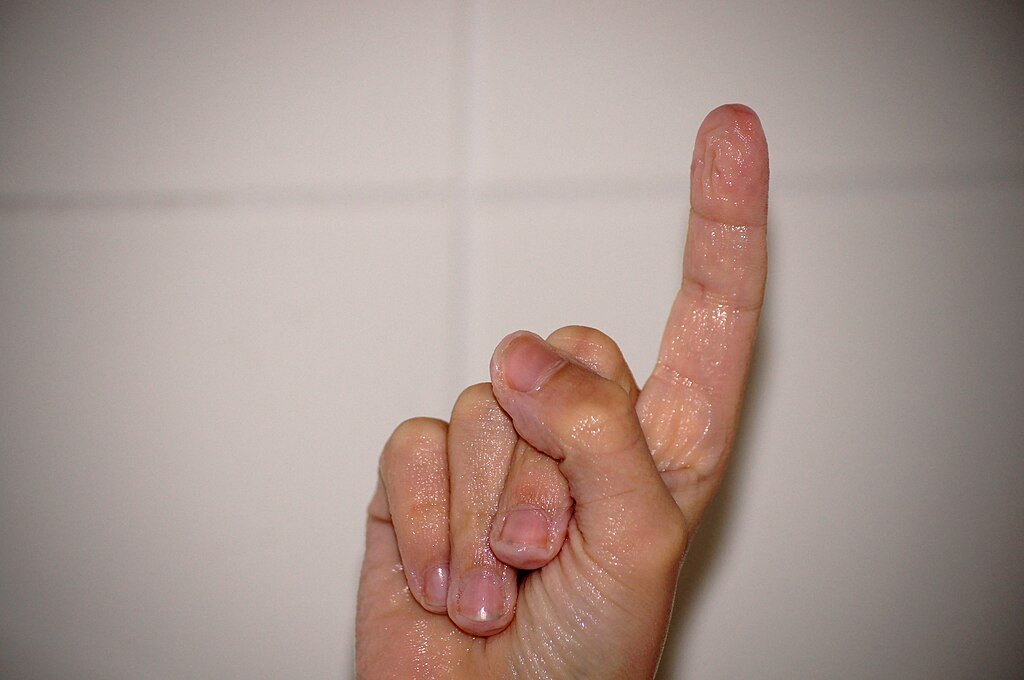
Wrinkled Skin in Water: Why Does It Happen Only on Hands and Feet? Have you ever noticed that after spending time in water, only your hands and feet get wrinkled, while the rest of...
15 Key Questions to Understand Character and Personality in an Interview Want to gain deeper insights into someone’s character and personality? Here are 15 essential questions to understand character and personality, complete with example...